Indoor comfort ties closely to moisture levels. Homes across South Louisiana face humidity swings that affect comfort, air quality, and HVAC performance. As an AC repair technician would explain during a service visit, moisture that runs too high or too low can cause ongoing comfort issues, higher energy use, and even system strain.
This guide breaks down humidifier vs dehumidifier choices in plain language, explains the real difference between the two systems, and shows how Oasic AC Services helps local homeowners make the right call.
What’s the Difference Between a Humidifier and a Dehumidifier?
Many homeowners ask about the difference between humidifier and dehumidifier systems. The names sound similar, yet the jobs stay opposite.
A humidifier adds moisture to indoor air. A dehumidifier pulls extra moisture out. Choosing the wrong one can leave a home feeling sticky, dry, or just plain uncomfortable.
Humidifier Basics Explained
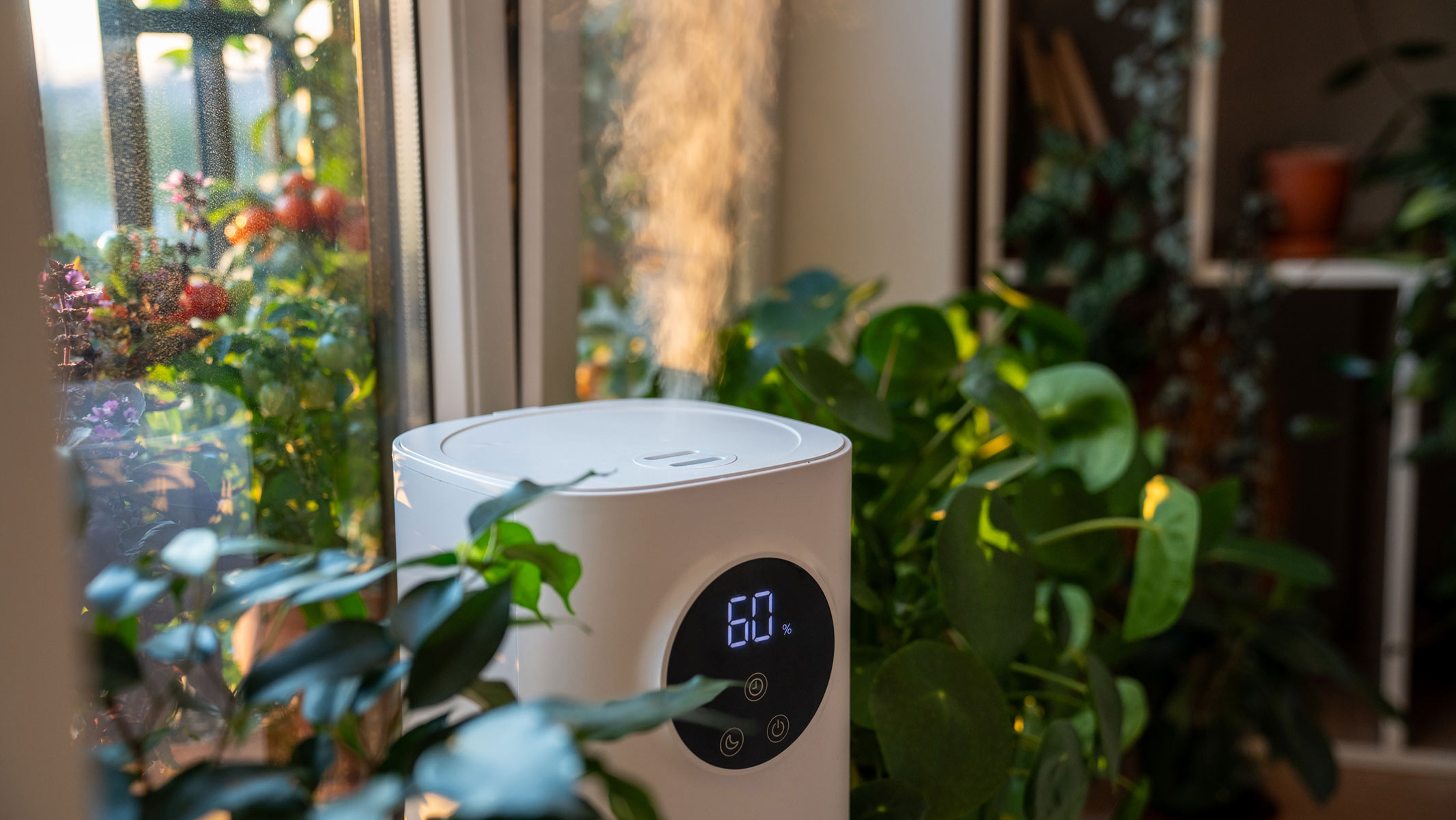
A humidifier releases moisture into dry indoor air. Dry air often shows up during cooler months or in homes running heating systems nonstop.
Common signs a humidifier may help include:
- Dry skin, irritated eyes, or scratchy throats. These symptoms often show up when moisture drops too low and can linger for weeks.
- Static shocks around the house. That zap when touching metal often signals dry indoor air.
- Wood floors or furniture cracking. Low moisture pulls water from wood, which leads to damage over time.
A whole-home humidifier connects directly to the HVAC system and spreads moisture evenly. That setup supports balanced comfort instead of spot treatment from small portable units.
When a Dehumidifier Makes More Sense
In South Louisiana, high humidity stays common most of the year. That makes humidifier vs dehumidifier decisions lean heavily toward moisture removal.
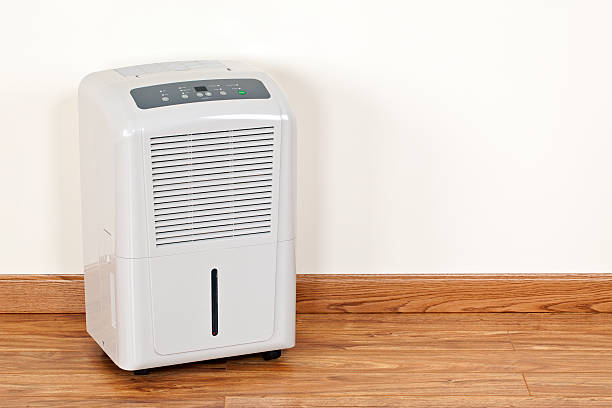
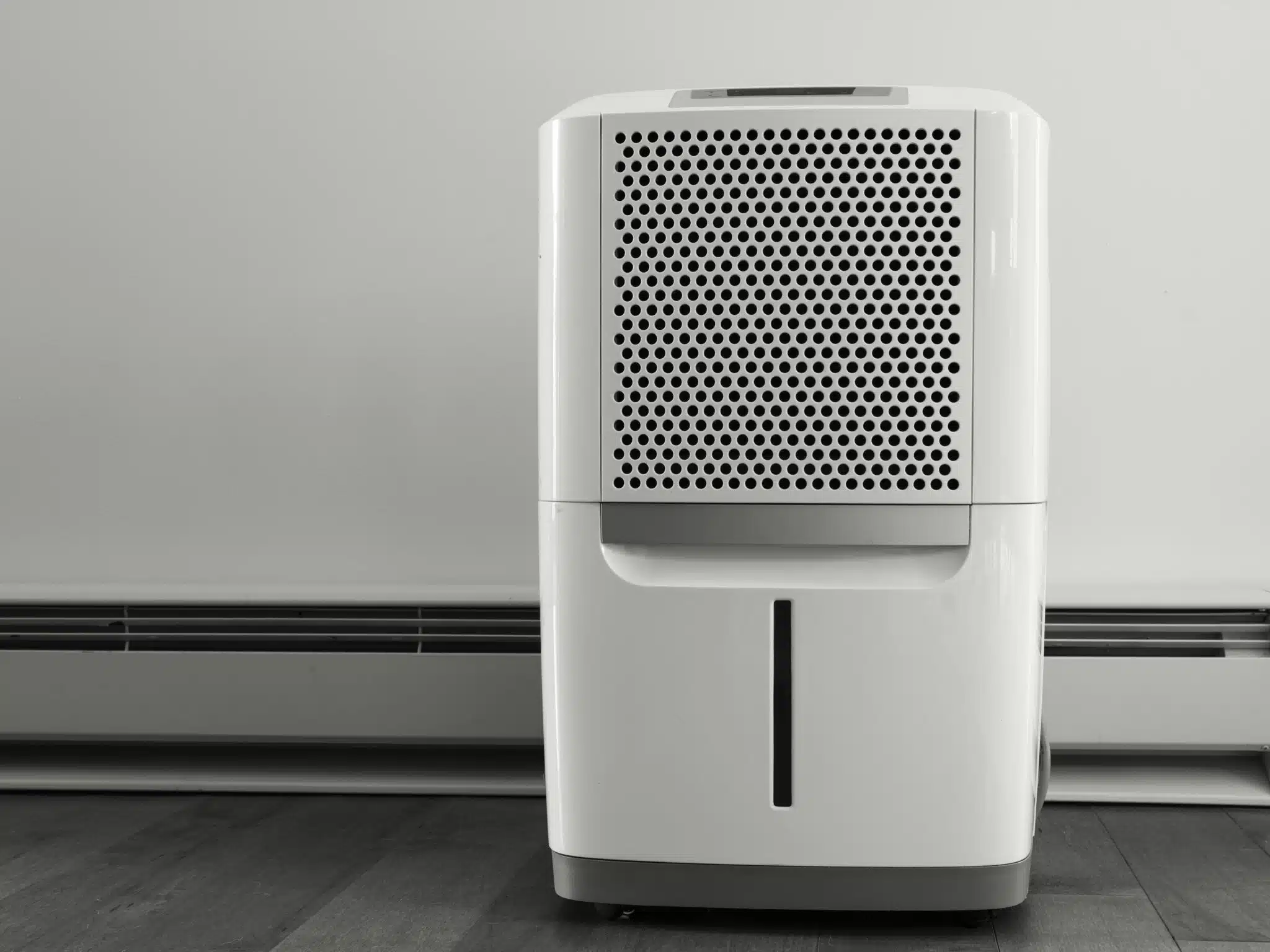
A dehumidifier reduces excess moisture trapped in indoor air. Too much moisture often causes discomfort and can strain air conditioning equipment.
Signs a dehumidifier fits better include:
- Sticky indoor air that never feels cool enough. High moisture blocks sweat evaporation, so rooms feel warmer.
- Musty smells or visible mildew. Moist air feeds odor issues and surface growth.
- Frequent AC cycling with poor comfort. Air conditioners work harder when moisture stays high.
Whole-home dehumidifiers pair with AC systems and handle moisture before it spreads. This setup protects indoor air and supports system efficiency.
Why Louisiana Homes Often Need Dehumidification
Humidity stays high across the region. Homes in Covington, LA often struggle with moisture buildup during long cooling seasons. At the same time, coastal and lake-area communities face similar issues.
High humidity can:
- Increase cooling costs by forcing AC systems to run longer.
- Create uneven temperatures across rooms.
- Add stress to AC components over time.
Oasic AC Services evaluates indoor moisture levels during service calls and recommends solutions that match real conditions inside the home.
Humidifier vs Dehumidifier: Can a Home Need Both Systems?
Some homes benefit from both systems during different seasons. This question often comes up during system inspections.
Homes that may need both include:
- Tight, well-sealed homes that trap moisture during summer yet dry out in winter.
- Larger homes with mixed-use spaces such as finished basements or bonus rooms.
- Homes with advanced HVAC zoning or upgraded insulation.
In these cases, combining humidity control with routine AC Maintenance helps keep systems balanced year-round.
Humidifier vs Dehumidifier and HVAC Performance
Humidity control plays a direct role in HVAC health. Moisture levels that stay out of range increase wear on coils, blowers, and controls.
Balanced humidity supports:
- Shorter cooling cycles and steadier temperatures.
- Reduced strain on compressors and fans.
- Better airflow and cleaner duct conditions.
During AC Repair visits, moisture issues often show up as a hidden cause of comfort complaints.
Humidifier vs Dehumidifier: Local Conditions Matter
Different service areas face slightly different moisture challenges.
- Homes needing Air Conditioning Heating Services in Kentwood, LA often battle indoor humidity tied to shaded lots and older construction styles.
- Properties needing Air Conditioning Heating Services in Ponchatoula, LA face moisture from nearby water sources and seasonal rainfall.
- Residents using Air Conditioning and Heating Services in Madisonville, LA see similar humidity challenges paired with modern construction that traps indoor air.
Each home needs a solution based on layout, insulation, and HVAC design.
Why Choosing the Right System for Your Home is Important
Choosing between humidifier vs dehumidifier setups depends on real measurements, not guesswork.
A proper evaluation includes:
- Measuring indoor humidity across several rooms.
- Reviewing system run times and airflow patterns.
- Checking insulation, duct sealing, and ventilation.
Oasic AC Services handles these checks during AC Installation consultations and system upgrades.
Health and Comfort Benefits of Humidifier and Dehumidifier
Balanced humidity improves more than comfort.
Proper moisture levels help:
- Reduce dust circulation and airborne irritants.
- Support easier breathing during sleep.
- Lower the chance of mold growth indoors.
For reference, the U.S. Environmental Protection Agency recommends indoor humidity between 30% and 50% for comfort and air quality.
Humidifier vs Dehumidifier and System Replacement Decisions
Older systems often struggle with moisture control. During AC Replacement, adding humidity control can modernize indoor comfort in one step.
Newer systems paired with humidity accessories:
- Run more efficiently.
- Provide steadier temperatures.
- Extend equipment life.
Contact Oasic AC Services for Top Quality Dehumidifier Service in Hammond, LA
Indoor comfort should feel steady, clean, and easy to maintain. Choosing the right humidifier vs dehumidifier setup makes a big difference in how a home feels day after day.
Oasic AC Services provides trusted guidance, professional installation, and reliable service across South Louisiana. For expert help with humidity control, AC upgrades, or system inspections, call (225) 414-0708 or schedule service through the Contact Page. A comfortable home starts with the right moisture balance—and the right HVAC team.
FAQs: Humidifier vs Dehumidifier
What’s the difference between a humidifier and a dehumidifier?
A humidifier adds moisture to dry air. A dehumidifier removes excess moisture. Each serves a different comfort need.
Can a dehumidifier replace an air conditioner?
No. A dehumidifier controls moisture, not temperature. It supports AC performance rather than replacing it.
Do portable units work as well as whole-home systems?
Portable units help small spaces. Whole-home systems offer even control and integrate with HVAC equipment.
How do humidity problems affect energy bills?
High humidity forces AC systems to work longer. Balanced moisture often lowers cooling costs.